Types of Loan and Finance Explained – Complete Guide to All Loan Categories

Loans and finance are core components of the modern financial system. Individuals, businesses, institutions, and governments rely on different types of loans and financial instruments to manage cash flow, acquire assets, fund growth, and meet planned or unplanned expenses. Understanding the types of loan and finance is essential for grasping how money circulates in an economy.

This article explains loan and finance concepts in complete detail, covering classification, structure, purpose, tenure, security, and modern financial models. The content is strictly educational and descriptive, written as a full-length blog.

What Is a Loan?

A loan is a formal financial arrangement in which a lender provides a sum of money to a borrower under defined conditions. The borrower is obligated to repay the borrowed amount along with additional charges, commonly known as interest, over a specified period.

A loan agreement generally includes:

  • Principal amount
  • Interest rate
  • Repayment schedule
  • Loan tenure
  • Terms and conditions

Loans are regulated by financial laws and banking norms, ensuring transparency and accountability.

What Is Finance?

Finance is a broad discipline that deals with the management, creation, and study of money and investments. It includes lending, borrowing, saving, investing, budgeting, and risk management.

Loans represent only one segment of finance, while finance as a whole also includes:

  1. Banking systems
  2. Capital markets
  3. Credit mechanisms
  4. Financial planning
  5. Asset management
Primary Classification of Loans

Loans are classified on multiple bases to reflect their structure and purpose. The major classifications are:

  • Based on Security
  • Based on Purpose
  • Based on Tenure
  • Based on Borrower Category
  • Based on Interest Structure
  • Based on Repayment Method
  • Based on Modern Financial Models
  • Each category is explained below in detail.

1. Types of Loans Based on Security

Secured Loans

A secured loan is a loan that is backed by collateral. Collateral is an asset pledged by the borrower to secure the loan. In case of default, the lender has the legal right to recover dues by liquidating the asset.

Common Collateral Types
  • Property
  • Vehicle
  • Gold
  • Fixed deposits
  • Characteristics
  • Lower interest rates
  • Higher loan limits
  • Longer repayment tenure
  • Asset-linked approval process
Unsecured Loans

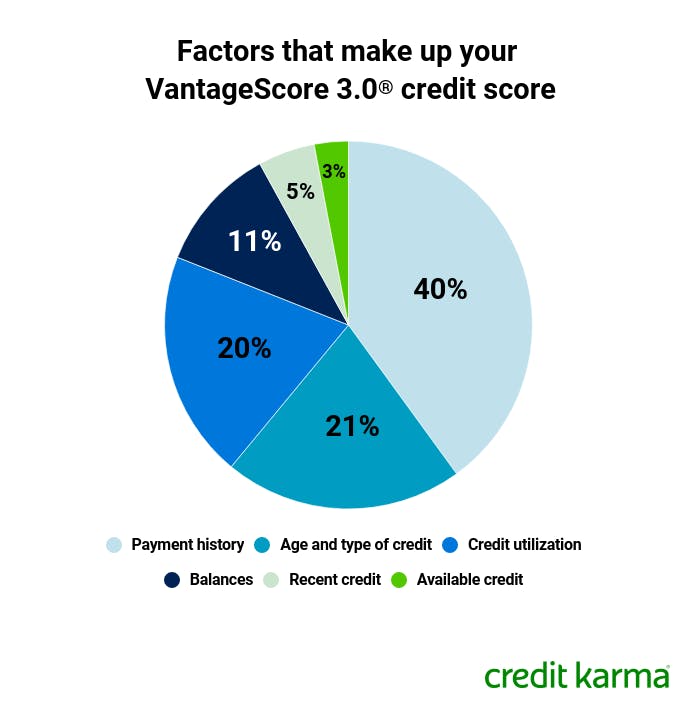
An unsecured loan does not require any collateral. These loans are approved based on income profile, credit score, and repayment history.

Characteristics
  • No asset pledge
  • Higher interest rates
  • Short to medium tenure
  • Creditworthiness-based approval

Examples include personal loans and credit-based financial products.

2. Types of Loans Based on Purpose

Personal Loan

A personal loan is a general-purpose loan that can be used for multiple personal requirements without restriction on usage.

  • Structural Features
  • Unsecured in nature
  • Fixed EMI structure
  • Short to medium tenure
Home Loan

A home loan is designed for acquiring or improving residential property.

Sub-Types
  • Property purchase loan
  • Construction loan
  • Home extension loan
  • Renovation loan
Structural Characteristics
  • Long tenure
  • Property as collateral
  • Gradual disbursement in construction-linked cases
Education Loan

An education loan is used to finance academic studies, including higher education and professional courses.

Coverage Scope:
  • Tuition fees
  • Accommodation
  • Academic resources
Key Feature
  • Deferred repayment structure
Vehicle Loan

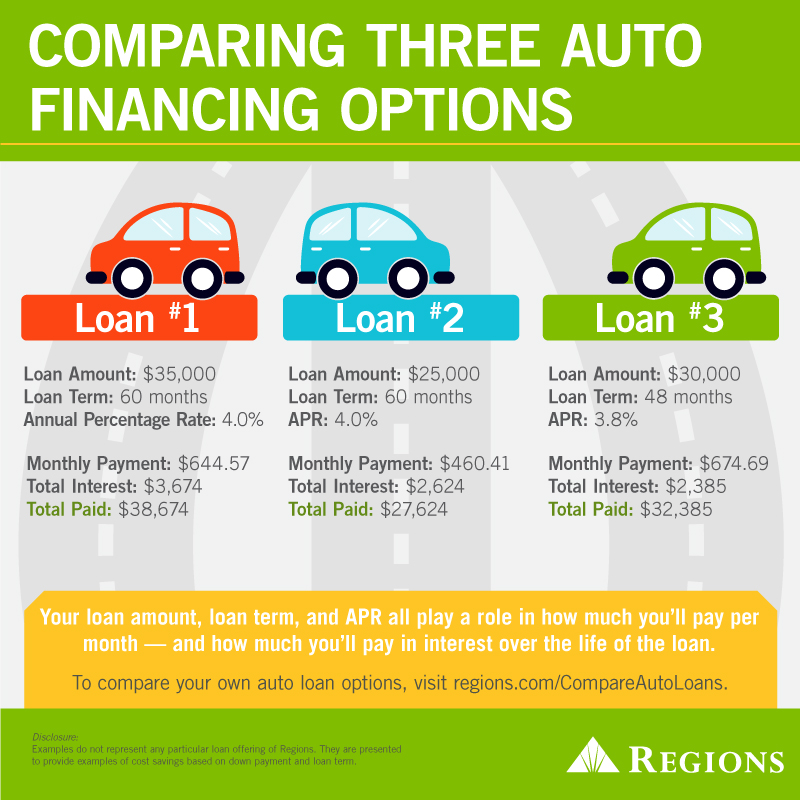
A vehicle loan is provided for purchasing personal or commercial vehicles.

Types
  • Two-wheeler loan
  • Passenger car loan
  • Commercial vehicle loan

The vehicle itself generally serves as collateral.

Business Loan

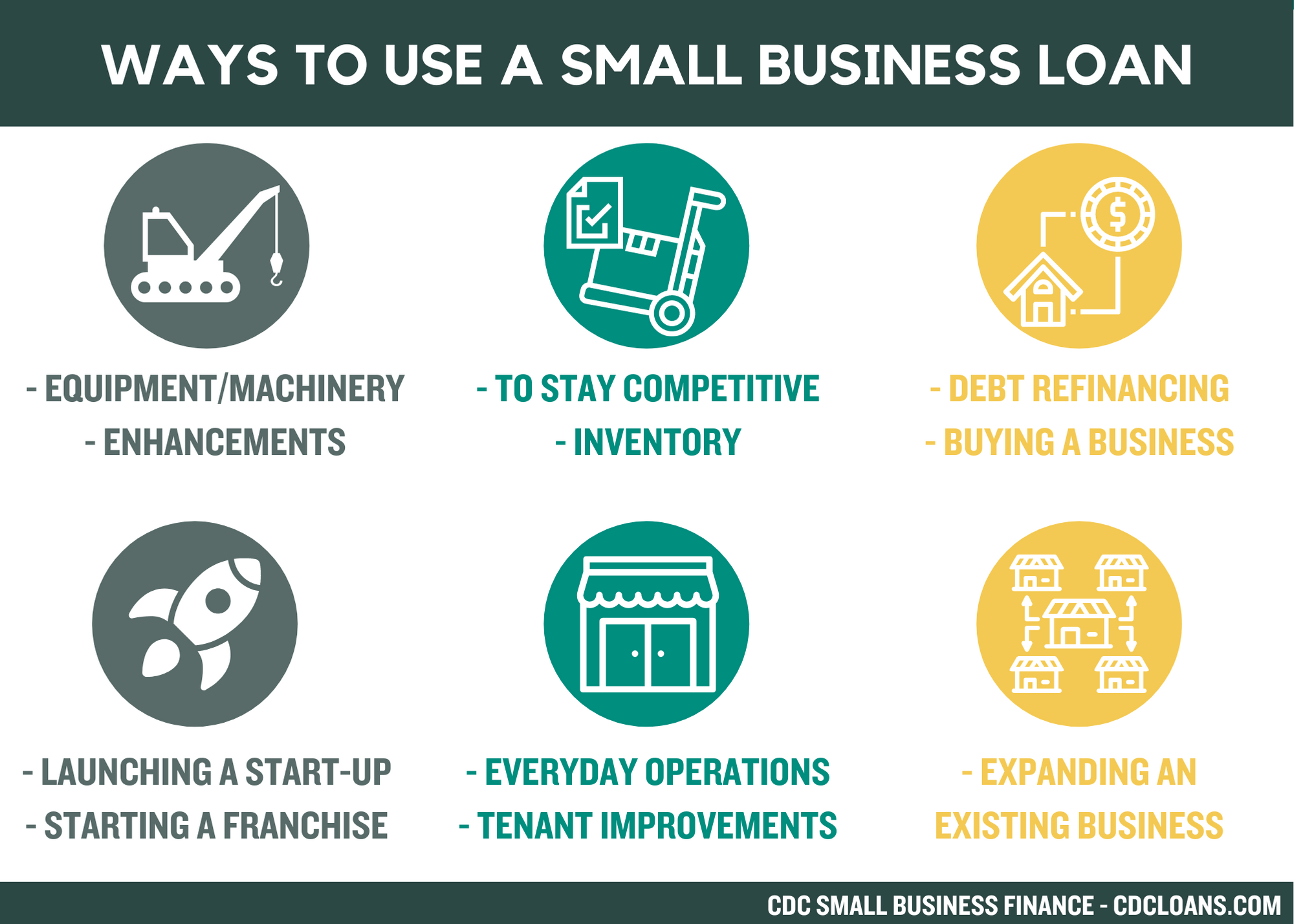
A business loan is structured to meet financial requirements of enterprises.

Usage Areas
  • Working capital
  • Equipment purchase
  • Business expansion
Business Loan Forms
  • Term loans
  • Cash credit
  • Overdraft facilities
Gold Loan

A gold loan is a secured loan where gold ornaments are pledged.

Structural Traits
  • Asset-based valuation
  • Short tenure
  • High liquidity

3. Types of Loans Based on Tenure

Short-Term Loans

Short-term loans are structured for brief durations.

Tenure Range
  • Few days to 12 months

These loans focus on immediate liquidity requirements.

Medium-Term Loans

Medium-term loans are designed for moderate financial needs.

Tenure Range
  • 1 year to 5 years
Long-Term Loans

Long-term loans support large financial commitments.

Tenure Range
  • 5 years to 30 years

Commonly associated with asset creation.

4. Types of Loans Based on Borrower Category

Individual Loans
  • Personal loans
  • Home loans
  • Vehicle loans
Business & Enterprise Loans
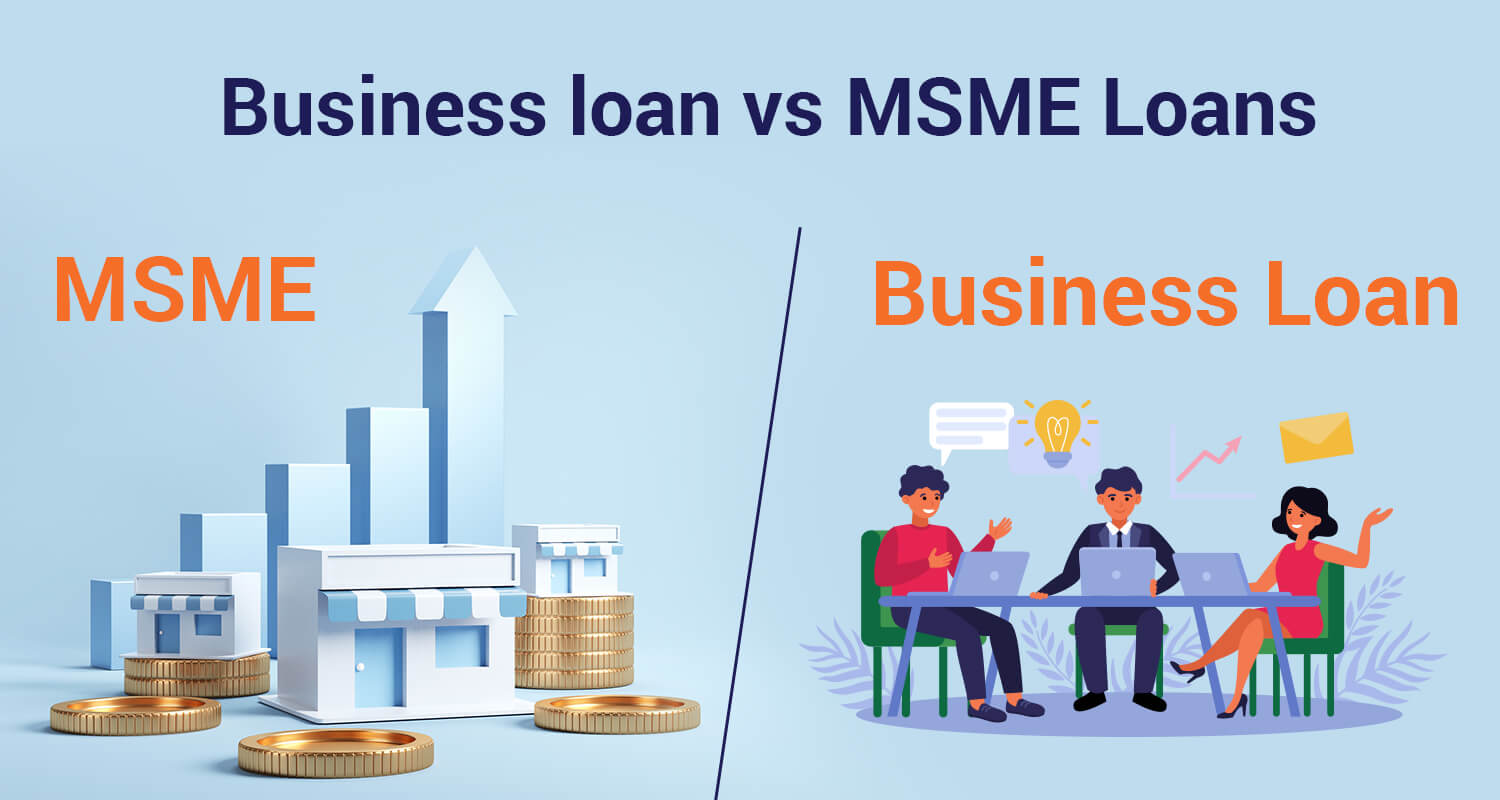
  • MSME loans
  • Corporate loans
  • Startup funding loans
Student Loans
  • Academic loans
  • Skill-based education loans

5. Types of Loans Based on Interest Structure

Fixed Interest Loans

Interest rate remains constant throughout the loan tenure.

Floating Interest Loans

Interest rate varies according to market benchmarks.

Hybrid Interest Loans

Combination of fixed and floating interest phases.

6. Types of Loans Based on Repayment Structure

EMI-Based Loans Bullet Repayment Loans Step-Up / Step-Down Loans

7. Credit Cards as a Financial Instrument

A credit card is a revolving credit facility that allows repeated borrowing within an approved limit.

Structural Characteristics
  • Credit limit-based usage
  • Monthly billing cycle
  • Minimum due mechanism
Core Features
  • Interest-free period
  • Reward points and benefits
  • EMI conversion facility
Operational Nature
  • Revolving credit
  • Short-term borrowing mechanism
<

8. Peer-to-Peer (P2P) Lending

Peer-to-Peer lending is a financial model where borrowers and lenders connect directly through digital platforms without traditional banking intermediaries.

Structural Model Characteristics Risk Profile

9. Digital & Alternative Finance Models

Instant Digital Loans Buy Now Pay Later (BNPL) Microfinance

10. Government-Backed Loan Frameworks

Government-supported loan structures exist to promote economic inclusion.

Examples
  • Micro-enterprise funding
  • Education support finance
  • Sector-specific credit programs

Difference Between Loan and Finance

Aspect Loan Finance
Scope Limited Broad
Nature Borrowing Money management
Coverage Principal & interest Credit, investment, risk
Role of Loans in the Financial System

Loans serve as a mechanism for:

  • Capital circulation
  • Asset acquisition
  • Business growth
  • Economic development

They connect surplus capital holders with capital seekers.

Conclusion

Loans and finance form the backbone of structured monetary systems. From traditional secured loans to modern digital finance and alternative lending models, each type serves a defined economic function. Understanding the classification and structure of loans and finance provides clarity on how financial systems operate at individual and institutional levels.

This knowledge-based overview presents a complete picture of types of loan and finance, covering conventional, modern, and emerging financial frameworks without opinion or advisory influence.