How Central Banks Govern Currency Values

Inflation Calculator: Check Future Value of Money Easily

The value of currency affects not only the daily lives of individuals but also the broader economic well-being of a country. To ensure stability, central banks operate discreetly to manage a nation's currency using various monetary policy tools.

But what is the mechanism behind this process, and what objectives drive the actions of central banks? Understanding the complexities of monetary policy and the instruments of central banking can offer us valuable insights into how economic leaders guide nations toward stability, growth, or recovery during times of crisis.
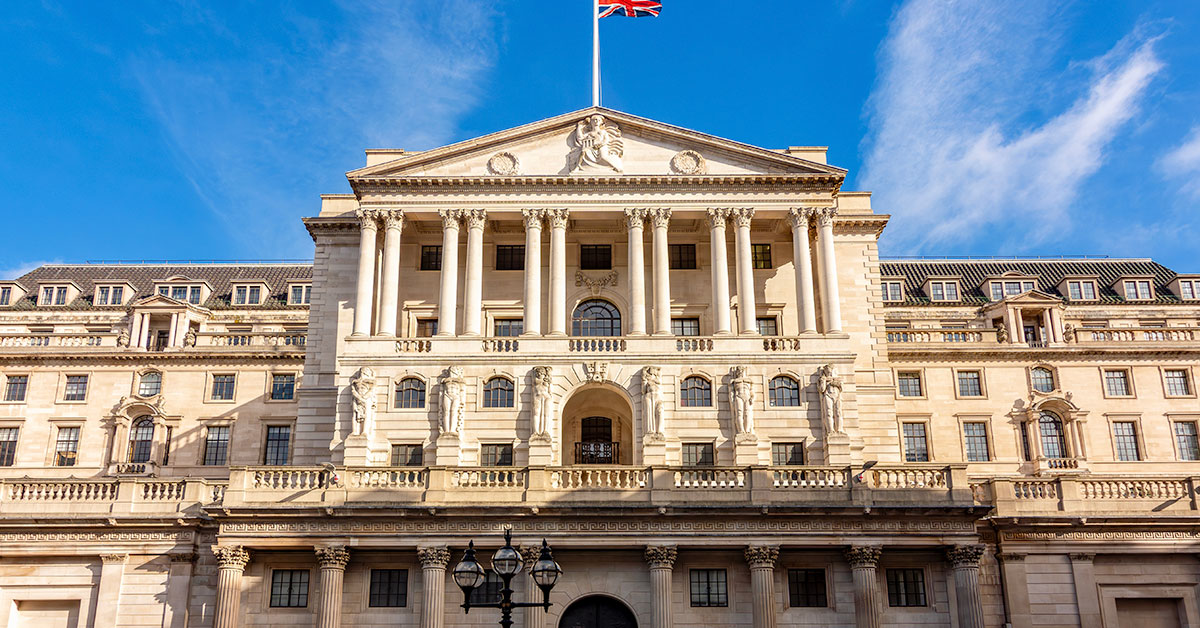

What is Monetary Policy?

Monetary policy refers to the techniques used by central banks when trying to affect financial conditions in an economy. By controlling interest rates, supplies of money, and the availability of credit, central banks can work to meet objectives for price stability, employment, and economic growth.

Central Bank Monetary Policy Illustration

The two major types of monetary policy include:

Expansionary Policy

This is brought in during economic decline or recession. The primary objective of expansionary monetary policy is to increase the money supply, reduce interest rates, and consequently boost overall economic activity.

Contractionary Policy

This is implemented when inflation is rising rapidly. Contractionary monetary policy reduces the money supply, increases interest rates, and slows down economic growth to restore price stability.

Key Instruments of Monetary Policy

Various instruments are at the disposal of central banks as they strive to manage an economy. These tools allow policymakers to influence financial conditions and steer economic outcomes, impacting everything from the purchasing power of individuals to the overall growth and stability of the national economy.

Open Market Operations (OMOs)

Open market operations involve the buying or selling of government securities in the open market. When the central bank purchases government bonds, it increases the money supply and lowers interest rates within the economy.

Conversely, when the central bank sells government bonds, it reduces the money supply and causes interest rates to rise. This tightening helps control excess liquidity and inflationary pressure.

Through OMOs, central banks directly influence the amount of money circulating in the economy. By adjusting short-term interest rates, they can impact overall economic activity, borrowing behavior, and inflation levels.

Interest Rates

Core Monetary Tool

Interest rates are the primary instruments of monetary policy. Central banks control the base rate, which is the interest rate charged to commercial banks when they borrow from the central bank. A reduction in this rate lowers borrowing costs for banks and encourages lending to businesses and individuals.

Lower Interest Rates

Lower base rates make loans cheaper, increasing borrowing, spending, and investment. This expansion in economic activity helps stimulate growth, especially during slowdowns or recessions.

Higher Interest Rates

During periods of high inflation, central banks raise interest rates. Higher borrowing costs discourage excessive spending and lending, cooling the economy and stabilizing prices.

Changes in interest rates are quickly reflected in financial markets, influencing borrowing costs, investment returns, and currency values. As a result, interest rate decisions play a crucial role in shaping overall economic conditions.

Reserve Requirements

Reserve requirements define the minimum amount of cash that commercial banks must keep in reserve rather than lending out. This rule ensures that banks maintain sufficient liquidity to meet withdrawal demands and financial obligations.

When a central bank reduces reserve requirements, banks gain the ability to issue more loans. This expansion in lending increases the money supply and stimulates overall economic activity.

Although adjustments to reserve requirements are relatively rare, they remain a powerful instrument for controlling liquidity within the financial system, especially during periods of economic stress.

Impacts of Monetary Policy

Monetary policies generate a wide range of effects across the economy. Through adjustments in interest rates, liquidity, and credit availability, central banks influence how markets behave, how banks lend, and how attractive a country becomes to foreign investors.

Financial Markets

Changes in monetary policy affect stock prices, bond yields, and currency movements by altering investor expectations and risk appetite.

Foreign Investment

Interest rate decisions can attract or repel foreign capital, influencing exchange rates and cross-border investment flows.

Commercial Banking

Monetary policy shapes lending behavior, profitability, and risk management strategies within the banking sector.

Interest Rates

Changes in interest rates significantly impact exchange rates , as elevated rates offer improved returns for investors using that currency.

When a central bank increases interest rates , it can attract foreign investors who are seeking to benefit from higher returns . This surge in foreign investment leads to increased demand for the currency .

As demand rises, the currency’s value strengthens in the foreign exchange market , reinforcing the link between interest rate policy and currency valuation .

Inflation Management

Inflation reduces purchasing power , causing higher prices for goods and services . As prices rise, consumers are able to buy less with the same amount of money.

When inflation remains excessively high , it can weaken a currency’s value , as investors anticipate declining future purchasing power and may shift their investments elsewhere.

To counter this, most central banks aim to keep inflation at approximately 2% per year . This balanced target helps preserve currency value while supporting long-term economic stability .

Quantitative Easing

Quantitative Easing (QE) is a policy tool used by central banks when interest rates are already near zero and cannot be lowered further. In such situations, traditional monetary tools lose effectiveness.

Under QE, central banks carry out large-scale purchases of government bonds or other financial assets to inject liquidity directly into the financial system, increasing the overall money supply.

The expansion of money supply through QE generally leads to currency depreciation . While this results in a weaker currency , it also makes exports cheaper and more attractive to international buyers.

Despite its impact on currency value, QE is considered an effective stimulus measure that supports economic growth, boosts demand, and helps economies recover during prolonged downturns.

Foreign Exchange Reserves

Central banks can actively manage foreign exchange reserves to influence the value of their national currency by participating directly in foreign exchange markets .

A common strategy involves selling foreign currencies from reserves in order to buy back the domestic currency . This action increases demand for the local currency, helping to stabilize its value .

This approach is especially common in developing economies during periods of economic stress, where maintaining currency stability is critical for investor confidence and financial resilience .

Foreign Exchange Reserves and Currency Stabilization
Forex Market Intervention

Balancing Act

Central banks constantly perform a delicate balancing act , striving to stimulate economic growth while simultaneously controlling inflation . This dual objective requires careful judgment and precise timing.

Growth-Focused Risk

Overemphasizing growth-oriented policies can fuel excessive inflation , which may ultimately lead to a weakened currency and reduced purchasing power.

Inflation Control Risk

On the other hand, overly strict inflation controls can slow economic activity, discourage investment, and increase unemployment .

Effective monetary policy therefore demands a thoughtful evaluation of global economic conditions , trade balances, and the fiscal policies implemented by the government to maintain long-term stability.

The Future of Monetary Policy and Currency Control

As global economies become increasingly interconnected , central banks are navigating a highly complex financial landscape . Rapid advancements in emerging technologies , particularly digital currencies , have the potential to reshape traditional monetary policy tools.

Central Bank Digital Currencies (CBDCs) could allow for more precise control over the money supply and interest rates , potentially increasing the effectiveness of monetary interventions. However, their influence on currency valuation and exchange rate dynamics remains an active area of research.

Beyond technology, factors such as climate change , rising trade barriers , and demographic shifts are introducing new challenges for central banks worldwide.

Addressing these complexities will require innovative monetary strategies and global collaboration among central banks to ensure long-term economic and currency stability .

Conclusion

Central banks play a critical role in shaping the global economy through the implementation of monetary policy . By managing the money supply , setting interest rates , and deploying tools such as quantitative easing , they aim to maintain economic stability .

Maintaining this balance is essential for sustainable economic growth and for preserving the purchasing power of a currency over time.

As global challenges intensify and technological innovations accelerate, the role of central banks will continue to evolve , shaping the future of economies and individuals across the world.

For the latest currency news and in-depth perspectives on the global currency landscape, stay updated with our Expert Analysis and daily Market Commentary .